Diamonds, Legacy, and Market Perception: Strategic Insights on Lab-Grown Competition
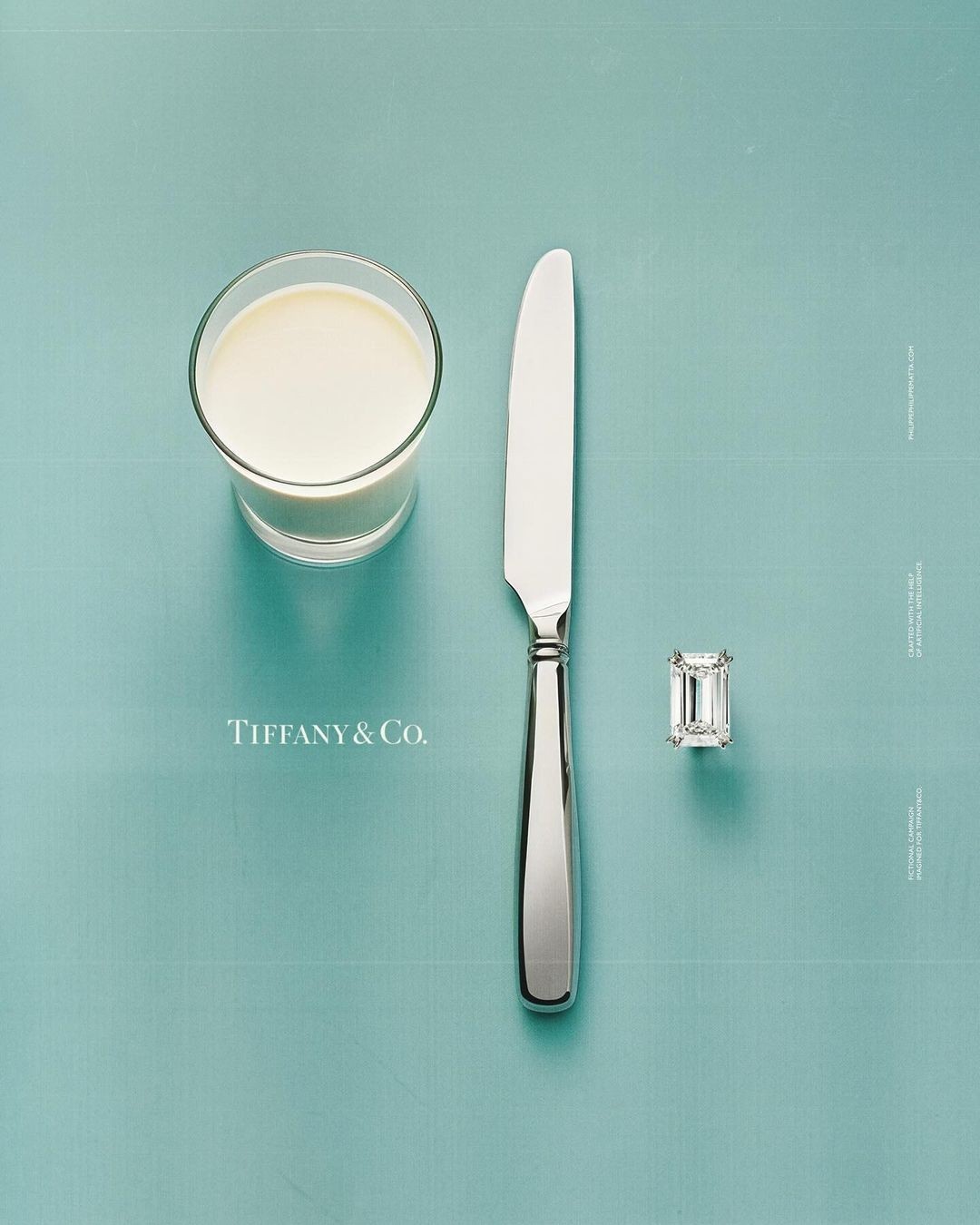
The diamond industry faces a subtle but meaningful shift: lab-grown diamonds are challenging the traditional signals of status and legacy that have long defined the market. Historically, campaigns such as De Beers’ “Diamonds Are Forever” have elevated diamonds beyond material objects, positioning them as enduring symbols of love, commitment, and social prestige. This narrative, carefully cultivated over decades, has reinforced both scarcity perception and cultural significance.
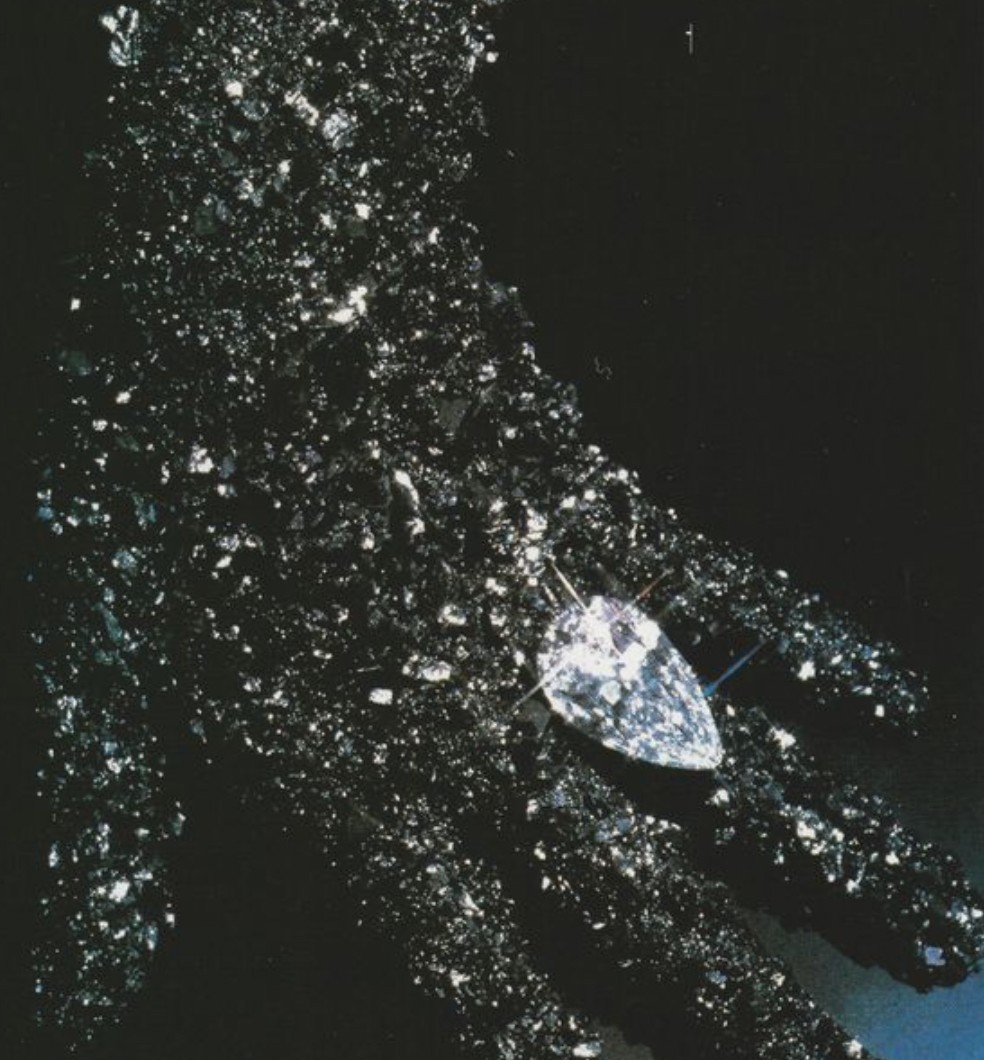
With the rise of lab-grown alternatives, these established narratives are under pressure. While chemically identical to natural diamonds, lab-grown stones lack the historical provenance and artisanal heritage that have historically underpinned market authority. Their affordability and technological production methods introduce a structural shift in consumer perception, creating both opportunities and risks for legacy brands.
Luxury houses are now navigating this landscape by strategically calibrating their offerings. Some introduce selective lab-grown lines without diluting the narrative of exclusivity tied to natural stones. Others emphasize provenance, craftsmanship, and historical significance, reinforcing the perception of scarcity and institutional authority. Augmented reality and digital visualization tools have begun to complement these strategies, allowing clients to engage with products while preserving the aura of exclusivity. Additionally, blockchain-based traceability is emerging as a mechanism to authenticate natural diamonds, providing a tangible signal of origin that reinforces trust, heritage, and market positioning.
The implications for executives are clear. Brands must maintain alignment between product authenticity, cultural narrative, and strategic positioning. Decisions around product mix, marketing storytelling, and technological integration will determine whether a house can sustain leadership while adapting to evolving consumer preferences. Legacy curation, selecting which historical and artisanal narratives to highlight, becomes a critical lever for maintaining long-term authority.
Looking ahead, luxury brands should consider proactive scenario planning: how will consumer perceptions shift as lab-grown alternatives mature, and which interventions can preserve institutional and cultural legitimacy? Strategic foresight in brand narrative, provenance validation, and selective technological integration will increasingly define who remains at the top of this market.